




- Marine & Family Support
- Individual Emergency Action Plan
- Information, Referral, and Relocation
- Libraries
- Life Happens… Resources for When It Happens To You
-
- Exceptional Family Member Program
- Family Advocacy Program
- Families Over Coming Under Stress
- Family Member Employment Assistance Program
- Family Readiness Program Training
- LifeSkills
- L.I.N.K.S.
- Marine Corps Family Team Building
- Military & Family Life Counselors
- Postal Affairs
- Readiness and Deployment Support
- Retired Affairs
- Relocation Assistance
- Miramar Resource Guide
-
- Behavioral Health Classes & Events
- Community Counseling
- Domestic Abuse
- Health & Wellness Education
- Information, Referral, & Relocation
- Marine Intercept Program
- Military & Family Life Counselors
- Semper Support
- New Parent Support
- Victim Advocacy Program
- Sexual Assault Prevention and Response
- Military OneSource
- Firearm Suicide Prevention
- Suicide Prevention
- Voluntary Education
- Volunteer Opportunities
Substance Misuse
Is My Drinking A Problem
Signs of a Drinking Problem
Recognizing patterns takes awareness. Acting on them takes strength. If you recognize any of these patterns in yourself or others, reach out for help.
Changes in Body and Focus
- Needing to drink more to feel the same effect or to cope with stress, or difficulty concentrating.
- Noticeable decline in physical health, recurring hangovers, or trouble staying focused on daily tasks.
Friction in Relationships
- Pulling away from the unit, friends, or family in favor of drinking alone.
- Increased arguments or tension with the people who matter most to you.
Losing Your Way
- Finding yourself making choices that don’t align with the person you want to be.
- A persistent feeling of being “stuck,” losing hope, or feeling like your work lost its meaning.
Substance Misuse Assessment
If you recognize these signs in yourself, a loved one, or friend, connect with a professional for confidential, non-clinical guidance.
Need help now? Support is available 24/7.
- Immediate danger: Call 911
- Crisis line: Dial 988 (press 1) or Chat Online: Veterans Crisis Line or 988 Lifeline
- SAMSHA Helpline: 1-800-662-4357
- Semper Support: 1-800-342-9647
I Don't Know Where To Start
Here are some strategies you can try to cut back on your alcohol consumption and reduce risk:
- Alternate non-alcoholic beverages between every drink. Water is a great choice and can help prevent dehydration. A glass of water after every standard drink may also prevent many common hangover symptoms.
- Avoid mixed drinks and taking shots. It is easier to keep track of how many drinks you are having if you avoid mixed drinks. Since it takes longer to drink a beer or glass of wine, you should consume less alcohol in the same amount of time versus taking shots.
- Set a limit. To avoid binge drinking, males should have no more than 4 drinks, and females no more than 3 drinks over a few hours of drinking.
- Want to take a night off from drinking? Order a carbonated beverage in a short glass- this will look like a mixed drink and no one will ask you why you are not drinking. Most bartenders have been trained to make “mocktails” and telling a bartender your intentions at the beginning of the night will enable them to help you stick with your decision and keep it discreet.
- Enlist the help of a trusted friend. Tell someone your drink limit or that you are taking a night off. Sharing your commitment will keep you accountable. A good friend will run interference and remind you of your goal.
- Engage in activities that make it difficult to drink. Try a new hobby, or pick back up an old one. Get involved in volunteer work. Play basketball, go on a bike ride, or try indoor rock climbing. Go out and find your fun!
- Record your motivation. Write down a list of reasons you want to cut back. You can also include financial, employment, and relationship goals that drinking might impact. Keep the list in your pocket or in your phone and before drinking, read over it to remind yourself of what’s important.
Many Marine Corps installations have programs and professionals available to provide support. Some of the resources are: Substance Abuse Program, Community Counseling Program, Family Advocacy Program, Chaplains, Military and Family Life Counseling (MFLC), OSCAR Team member, and other resources. Contact your local installation to inquire about services .
Military OneSource: Non-medical confidential counseling
800-342-9647 | OCONUS dialing options
Outside Military Support
Some people may be more comfortable working with counselors or other support services outside of the military network. Get started by calling the Substance Abuse and Mental Health Services Administration (SAMSHA) at 800-662-4357. If you choose a civilian provider for assistance, make sure you understand the costs before you engage. A sliding scale for fees based on ability to pay may be available or copays may be associated with individual insurance.
I Need To Talk To Someone Now
Many Marine Corps installations have programs and professionals available to provide support. Some of the resources are: Substance Abuse Program, Community Counseling Program, Family Advocacy Program, Chaplains, Military and Family Life Counseling (MFLC), OSCAR Team member, and other resources. Contact your local installation to inquire about services .
Military OneSource: Non-medical confidential counseling
800-342-9647 | OCONUS dialing options
Outside Military Support
Some people may be more comfortable working with counselors or other support services outside of the military network. Get started by calling the Substance Abuse and Mental Health Services Administration (SAMSHA) at 800-662-4357. If you choose a civilian provider for assistance, make sure you understand the costs before you engage. A sliding scale for fees based on ability to pay may be available or copays may be associated with individual insurance.
I Want to Support Someone
Sometimes it's difficult for people to recognize they need to make different choices. Many people find it easier to change their behavior with support. A friend or family member may be able to offer support, but many times working with an experienced counselor or other professional is the best option to help people achieve the changes they need to make. There are many resources available within the Marine Corps as well as outside of the military network.
Start the conversation -
People making high-risk alcohol or drug related choices need your help and support to make alternate choices. Understanding their situation without judgment is a key component in helping to support someone with an alcohol or drug abuse problem. Let them know you care about them. Explain what you have noticed about their use that makes you worry. Give them some resources and offer to go with them to get help. They may not immediately take your advice, but by having the conversation, they know who they can turn to for help when they decide to change.
When alcohol isn't the problem
https://www.eleanorhealth.com/blog/signs-and-symptoms-of-drug-addiction-how-to-tell-if-someone-needs-help-for-a-drug-problem
Using any illegal substance, even once, puts everyone at risk. People often don't realize that misusing prescription and over the counter drugs can be dangerous.
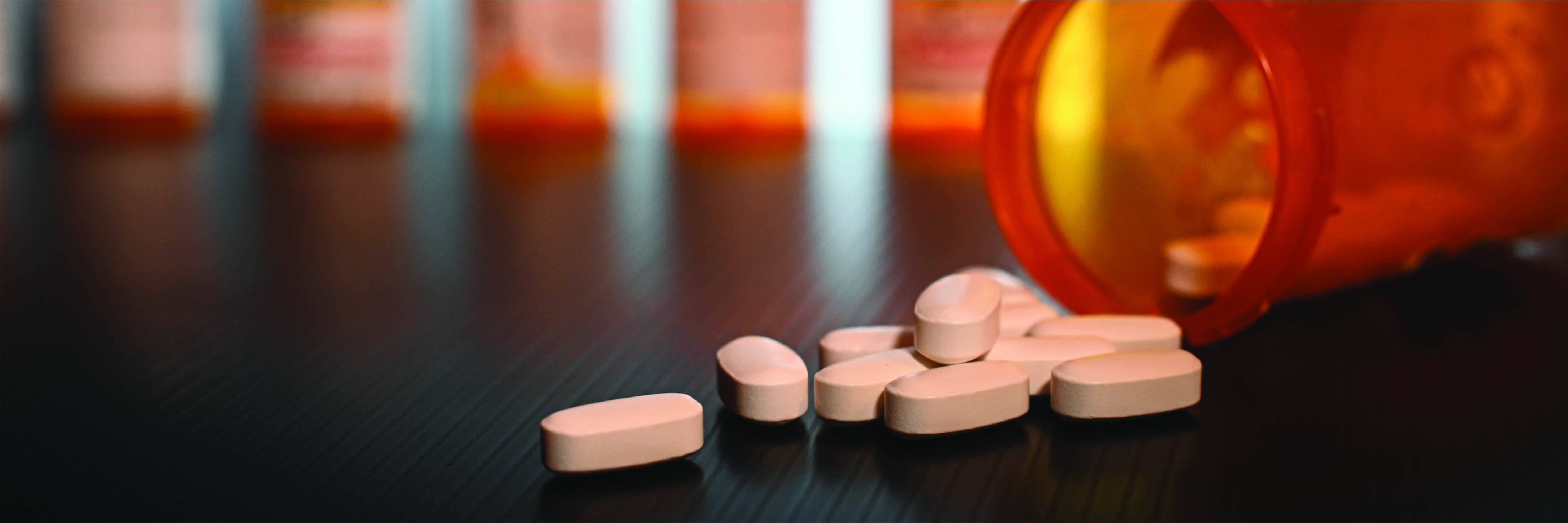
Prescription drug abuse is a growing problem. Misusing prescription medicines like opioids, or over-the-counter medicines by taking them in a different way than intended is leading to serious health problems. The following are ways someone might be putting themselves at risk:
- Taking medicine prescribed for someone else
- Taking a larger dose than prescribed
- Using the medicine in a different way than directed, such as crushing, snorting or injecting
- Taking for a longer time than directed, or when it isn't needed
- Taking old or expired medication
Resources
Leaders Resources
The Marine Corps Leadership has a critical role in educating Marines and their families about substance misuse, overall wellness, and how to access services that are available to support Marines and their Families as they navigate life.
Below is some useful information and resources for navigating alcohol substance misuse in your unit.
COMMAND LEADERSHIP RESPONSIBILITIES
DoD Instruction 1010.04 establishes comprehensive, enterprise-wide policy on problematic substance use. It assigns responsibilities and establishes procedures for the prevention, identification, diagnosis, and treatment for DoD military and civilian personnel.
DoD Instruction 1010.01 and DoD Instruction 1010.16 establish the military drug abuse testing programs and procedures for establishing deterrence, identifying substance misuse and ensuring fleet readiness.
MCO 5300.17A W/ ADMIN CH-1 ensures the higher level policies referenced in the order are used in creating, establishing, maintaining, funding and reinforcing local command substance misuse prevention and counseling programs and procedures.
When signs of alcohol or substance misuse are present, Marines are referred for screening and assessment. Ignoring signs of alcohol or substance misuse often exacerbates the problem, leading the Marine to decline in mission readiness. You are supporting your Marine and setting them up for success by referring any Marine you suspect of misusing alcohol or other substances for screening and assessment right away.
Substance Abuse Counseling Centers (SACC) are located on all major installations. They offer prevention, screening and assessment, and nonmedical counseling services.
Military OneSource: Non-medical confidential counseling
800-342-9647 | OCONUS dialing options
KNOW THE SIGNS
Some behaviors may help you determine if one of your Marines is misusing alcohol or other substances, especially if the behavior is new, has increased, or seems related to a painful event, loss, or change. Some indicators include:
- Shift in personality or disposition
- Unkempt appearance
- Frequent tardiness, absenteeism, or sickness
- Reports of frequent drunkenness, or dangerous or risky behavior
- Sudden financial difficulty not otherwise accounted for
- Sudden relationship issues, including conflict and estrangement, among partners, coworkers, family or friends
Additional Resources
Substance misuse prevention promotes low-risk and no-risk alcohol use, advocates the proper use of prescription and over-the-counter medication, and seeks to eliminate illicit drug use through outreach, training, and education. Services may be available at your installation or one near you.
Non-medical confidential counseling is also available through Military OneSource:
800-342-9647 | OCONUS dialing options
Here are some resources you may find helpful:
- CDC Binge Drinking Fact Sheet
- AA Online Meetings
- https://www.niaaa.nih.gov/alcohols-effects-health/overview-alcohol-consumption
Women
- CDC Alcohol Fact Sheet for Women
- National Institute on Alcohol Abuse and Alcoholism - Alcohol Fact Sheet for Women
- Substance Use While Pregnant and Breastfeeding
Other articles
- Binge drinking: What you need to know and how to prevent it
- Five practical tips for low risk drinking
- Less alcohol/More fitness gains
- Alcohol and energy drinks dont mix
- Protect what youve earned - Know the signs of alcohol misuse
- Alcohol the body
- Are you a risk taker?
- How substance misuse affects your children
Substance Assessment and Counseling Center
The Substance Assessment and Counseling Center (SACC) provides services that address issues and concerns with alcohol and drug misuse. These services include prevention, education, screenings/assessments, and counseling services. Prevention and education provide information on making healthy choices when using alcohol. Screenings and assessments evaluate situations of concern so that the SACC is best able to assist Marines and Sailors with the appropriate care. All active duty service members with concerns about alcohol and/or illicit substance usage are welcomed to visit the SACC. Unit briefings are also available; presentations are tailored to meet the needs of the unit.
Alcohol Awareness Month
U.S. Marine Corps Col. Thomas M. Bedell, the commanding officer of Marine Corps Air Station Miramar, speaks about the resources available at the Substance Assessment and Counseling Center on MCAS Miramar, San Diego, California, April 1, 2023. The resources include counseling, and classes such as prime for life that teaches services members to make healthy decisions and identify risks associated with alcohol and drug misuse.
SAN DIEGO, CA, UNITED STATES
03.30.2023
Video by Cpl. Taylor Bidon
Marine Corps Air Station Miramar
Prevention
Prevention consists of the Drug Demand Reduction Program (DDRP) and the Alcohol & Substance Misuse Prevention Specialist (ASMPS). Together, they address substance misuse issues throughout MCAS Miramar. They operate in tandem, assisting unit Substance Assessment Coordination Officer’s and Alcohol Screening Program Coordinators (ASPC’s) with the Marine Corp’s urinalysis and breathalyzer programs. Services provided are as follows:
- Command Substance Abuse Prevention Planning
- Illicit Substance misuse education
- Alcohol misuse education
- Safety Stand Down periods of instruction
- Monthly substance misuse informational booths
- Collaborations with on-base and off-base community providers
- Prime for Life course of instruction
Prime for Life (4.5) is a 4 ½ hour risk reduction class. The first goal is to help in reducing the risk for any type of alcohol or illicit substance misuse problem. The second goal focuses on self-assessment; to which helps persons served understand and accept the need to make changes and protect identified values in their lives.
*Note – Individuals who have recently experienced a substance-related incident are not appropriate for Prime for Life 4.5.
Prime for Life 16.0 is an Early Intervention 16-hour educational course. Didactic sessions, coupled with interactive group settings, are utilized to assist persons served in developing effective coping skills. The course is ideal for service members who have experienced unhealthy decision-making involving substance usage.
Services
Outpatient
Outpatient Service (OP) is formally scheduled once a week for six to nine weeks. OP offers individual sessions in conjunction with group, as well as, six months of aftercare. OP includes formatted didactic sessions and therapeutic groups, which support each person served in developing effective coping skills.
Residential/Medical Level IOP
Residential Treatment and Medical Level IOP are provided by the Substance Abuse Rehabilitation Program (SARP) located at Navy Submarine Base Point Loma. SARP is a comprehensive treatment program; providing individual, group, and case management care for patients who require intensive structure and supports at the medical level.
AA (Alcoholics Anonymous) Meetings are also offered on Mondays from 6:30pm - 7:30pm in bldg. 2274.
The Behavioral Health building is open Monday-Friday from 7:30am - 4:00pm. If you require an appointment or assistance, please contact us at 858-307-1129 or 858-307-6585.
Location
Contact Information and Resources
Substance Assessment and Counseling Center
Phone: 8583071129
Fax: 8583074392
General MFCL: 6192721729
General MFLC: 6193948928
General MFLC: 2512294745
MACG-38 MFLC: 6193468221
MAG-11 MFLC: 6194587421
MAG-11 MFLC: 6193468473
MAG-16 MFLC: 8588808062
MAG-16 MFLC: 6193468907
MWHS-3 MFLC: 6194587419
Hours of operation:
| Office Hours | |
| Monday | 7:30am - 4:00pm |
| Tuesday | 7:30am - 4:00pm |
| Wednesday | 7:30am - 4:00pm |
| Thursday | 7:30am - 4:00pm |
| Friday | 7:30am - 4:00pm |
| Saturday | Closed |
| Sunday | Closed |
| Holiday hours may vary. | |